


Blog Details
Maritime Education and Training Award 2026: Recognising Excellence in Building the Future of the Maritime Industry
BackMaritime Education and Training Award 2026: Recognising Excellence in Building the Future of the Maritime Industry
Investing in People to Strengthen Maritime Performance
The maritime industry depends on skilled, knowledgeable, and adaptable professionals. From seafarers and marine engineers to port managers, ship operators, logistics specialists, and maritime executives, every part of the industry requires people with the right expertise to operate safely, efficiently, and sustainably.
As the maritime sector undergoes rapid transformation, education and training are becoming more important than ever. Digitalisation, automation, decarbonisation, new fuels, evolving regulations, and emerging technologies are changing the skills required across the industry.
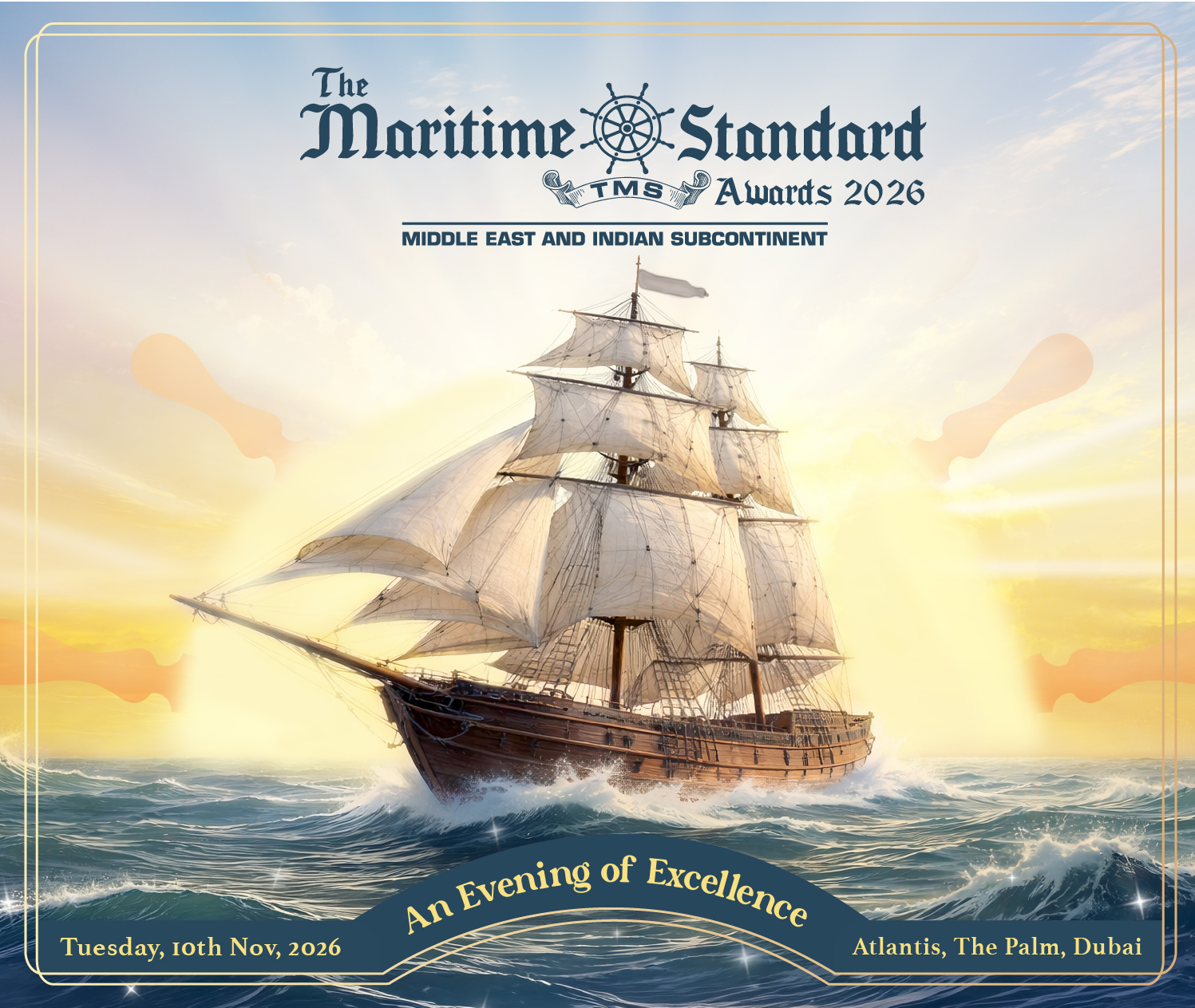
The Maritime Education and Training Award 2026, part of the TMS Awards, recognises educational institutions, organisations, and individuals that are making an outstanding contribution to maritime education, professional development, and training across the Middle East and the Indian Subcontinent.
The Growing Importance of Maritime Education and Training
The maritime industry is constantly evolving, creating new opportunities while also introducing new technical and operational challenges. Professionals must continually update their knowledge and skills to keep pace with changing industry requirements.
Education and training providers play a central role in preparing the workforce for this changing environment. Their programmes help develop technical expertise, improve operational standards, strengthen safety awareness, and equip professionals with the knowledge required to navigate a rapidly changing maritime landscape.
Training is also essential for developing the next generation of maritime leaders. By combining academic knowledge with practical experience and industry-focused learning, education providers can help create a workforce capable of supporting the long-term growth and competitiveness of the maritime sector.
What the Maritime Education and Training Award 2026 Recognises
The award recognises an educational institution, organisation, or individual that has made a significant contribution to maritime education or training in the region.
Judges will look for examples of excellence, innovation, and leadership in areas such as:
• Professional maritime training and development
• Academic programmes supporting the maritime industry
• Seafarer education and competency development
• Technical and operational training
• Digital and technology-enabled learning
• Leadership and management development
• Safety, sustainability, and environmental training
• Industry partnerships and practical learning opportunities
The award places particular emphasis on programmes that deliver meaningful outcomes and contribute to improving the efficiency, capability, and professionalism of shipping and related maritime sectors.
Who Should Apply?
The Maritime Education and Training Award 2026 is open to organisations and individuals making a significant contribution to maritime learning and professional development across the Middle East and the Indian Subcontinent.
Potential entrants include:
• Maritime academies and universities
• Marine training institutes
• Professional education providers
• Shipping companies with significant training programmes
• Industry organisations and associations
• Specialist maritime training providers
• Individual educators and training professionals
Organisations and individuals should be able to demonstrate how their work has delivered measurable benefits to students, trainees, maritime professionals, or the wider industry.
Key Evaluation Criteria
All entries are reviewed by an independent panel of experienced industry professionals. Judges will assess submissions based on the quality, relevance, and impact of the education or training initiatives presented.
Excellence in Education and Training
The quality and effectiveness of academic, professional, technical, or vocational programmes delivered to the maritime sector.
Industry Relevance
The extent to which programmes respond to current and future skills requirements within shipping, ports, logistics, offshore operations, and related industries.
Innovation in Learning
The adoption of innovative teaching methods, digital learning platforms, simulation technologies, or other approaches that improve learning outcomes.
Measurable Impact
Evidence that education or training programmes have improved professional competence, operational performance, safety standards, or career development.
Leadership and Development
Demonstrated leadership in strengthening maritime education, developing talent, and supporting the long-term growth of the industry's workforce.
Industry Collaboration
Successful partnerships with shipping companies, ports, maritime organisations, and other stakeholders that strengthen the connection between education and practical industry requirements.
Strong entries should clearly demonstrate how the initiative has made a meaningful and lasting contribution to maritime capability.
Preparing the Maritime Workforce for the Future
The skills required across the maritime industry are changing rapidly. Artificial intelligence, automation, digitalisation, alternative fuels, cybersecurity, and advanced vessel technologies are creating new areas of expertise that professionals must understand.
At the same time, traditional maritime skills remain essential. Seafarers and shore-based professionals still require strong technical knowledge, operational awareness, and a deep understanding of safety and compliance.
The most effective education and training providers are therefore combining established maritime expertise with new technologies and emerging areas of knowledge. This approach helps ensure that professionals are prepared not only for the challenges of today but also for the demands of tomorrow.
The Role of Technology in Maritime Learning
Technology is transforming how maritime education and training are delivered. Digital platforms, virtual learning environments, simulation systems, and immersive technologies are making it possible to provide more flexible and engaging learning experiences.
Simulation, for example, allows trainees to experience complex operational scenarios in controlled environments. Digital learning platforms can also make professional development more accessible to individuals working across geographically dispersed maritime operations.
However, technology is most effective when combined with experienced instructors and practical industry knowledge. The strongest programmes use innovation to enhance learning while maintaining a clear focus on real-world maritime applications.
Why Recognition Matters
Recognition through the Maritime Education and Training Award provides an opportunity to showcase the important contribution made by educators, institutions, and training organisations to the maritime industry.
Being shortlisted or selected as a winner demonstrates a commitment to excellence and highlights the impact of an organisation's work in developing maritime talent.
Recognition can also strengthen relationships with industry partners, attract students and professionals, and enhance the reputation of education and training providers among key maritime stakeholders.
Most importantly, the award highlights the essential role of education and training in building a safer, more efficient, innovative, and sustainable maritime industry.
Building the Next Generation of Maritime Leaders
The future of shipping depends on people. Technology and infrastructure may transform the way the industry operates, but skilled professionals remain essential to making those changes successful.
By developing technical capabilities, encouraging innovation, strengthening leadership, and supporting continuous professional development, education and training providers are helping to build the workforce that will shape the future of maritime operations.
The Maritime Education and Training Award 2026 celebrates those making an exceptional contribution to this vital mission and setting new standards for maritime learning across the region.
Submit Your Entry for 2026
The Maritime Education and Training Award 2026 provides an opportunity for institutions, organisations, and individuals to showcase their contribution to developing maritime talent and strengthening industry capabilities.
If your organisation or initiative has delivered outstanding education or training, introduced innovative approaches to learning, or made a measurable contribution to professional development across the maritime sector, now is the time to gain industry recognition.
Submit your nomination and be recognised for excellence in maritime education and training at the TMS Awards 2026.
Blog
-

Deal of the Year 2026: Recognising Strategic Transactions Shaping Maritime Business
28th September 2026 : Deal of the Year 2026: Recognising Strategic Transactions Shaping Maritime Business The maritim... Read more
-

Tanker Operator of the Year 2026: Navigating Performance, Efficiency and Resilience
21st September 2026 : Tanker Operator of the Year 2026: Navigating Performance, Efficiency and Resilience Tanker... Read more
-

Marine Insurer of the Year 2026: Managing Risk in a Changing Maritime Industry
14th September 2026 : Marine Insurer of the Year 2026: Managing Risk in a Changing Maritime Industry The maritime i... Read more
The Benchmark for Maritime Industry ExcellenceThe Premier Awards Event in Shipping & Maritime
Sponsors













Supporting associations





Media Partners