


Blog Details
Setting the Standard: What Defines Maritime Excellence in 2026
BackThe maritime industry remains the backbone of global trade, carrying the vast majority of goods that move between continents and economies. As global supply chains evolve and new challenges emerge, the expectations placed on the sector continue to rise. In this changing environment, the definition of maritime excellence in 2026 is no longer limited to scale or operational output alone. It is increasingly shaped by innovation, responsibility, resilience, and long-term impact.
A New Era of Maritime Performance
Traditionally, maritime success has been measured through clear operational indicators such as fleet size, cargo capacity, efficiency, and financial performance. While these remain important, they now represent only part of a broader picture. The industry is moving towards a more balanced understanding of performance, where environmental responsibility, technological advancement, and strategic adaptability are equally significant.
Companies are now expected to demonstrate not only strong commercial outcomes but also a clear contribution to sustainable and efficient global trade. This shift reflects a wider transformation in how the industry defines progress and leadership.
From Output to Impact
One of the most significant changes in recent years is the move from output-driven performance to impact-driven leadership. Environmental considerations, in particular, have become central to strategic decision-making. Decarbonisation, energy efficiency, and compliance with evolving global regulations are no longer optional initiatives but essential components of long-term competitiveness.
At the same time, stakeholders across the value chain are increasingly focused on how maritime organisations contribute to wider economic and environmental goals. Excellence is now closely linked to responsibility, with emphasis placed on measurable impact rather than intention alone.
Innovation as a Core Driver of Competitiveness
Technological advancement is playing a defining role in reshaping the maritime sector. Digital transformation is now embedded across shipping operations, port infrastructure, and logistics networks. The adoption of artificial intelligence, automation, predictive analytics, and smart systems is helping organisations improve efficiency, reduce risk, and enhance decision-making.
Innovation is no longer viewed as a supporting function. It has become a core driver of competitiveness and a key marker of industry leadership. Organisations that successfully integrate technology into their operations are better positioned to adapt to changing market conditions and regulatory expectations.
Leadership in a Complex Global Environment
The maritime industry operates in an environment defined by volatility and uncertainty. Geopolitical tensions, supply chain disruptions, fluctuating demand patterns, and evolving compliance frameworks all contribute to a highly complex operating landscape.
In this context, leadership has taken on a broader meaning. It is no longer defined solely by scale or market presence but by the ability to respond effectively to change. Strategic foresight, operational flexibility, and the capacity to navigate uncertainty have become essential qualities of modern maritime leadership.
The Importance of Recognition and Benchmarking
As the industry continues to evolve, recognition and benchmarking play an increasingly important role in driving progress. Structured evaluation of performance allows organisations to measure themselves against peers, identify areas for improvement, and highlight achievements that may otherwise go unnoticed.
Industry recognition also contributes to raising overall standards. By showcasing best practices and successful models, it encourages wider adoption of innovation and continuous improvement across the sector. In this way, recognition serves not only as acknowledgement but also as a catalyst for progress.
Platforms That Reflect Industry Excellence
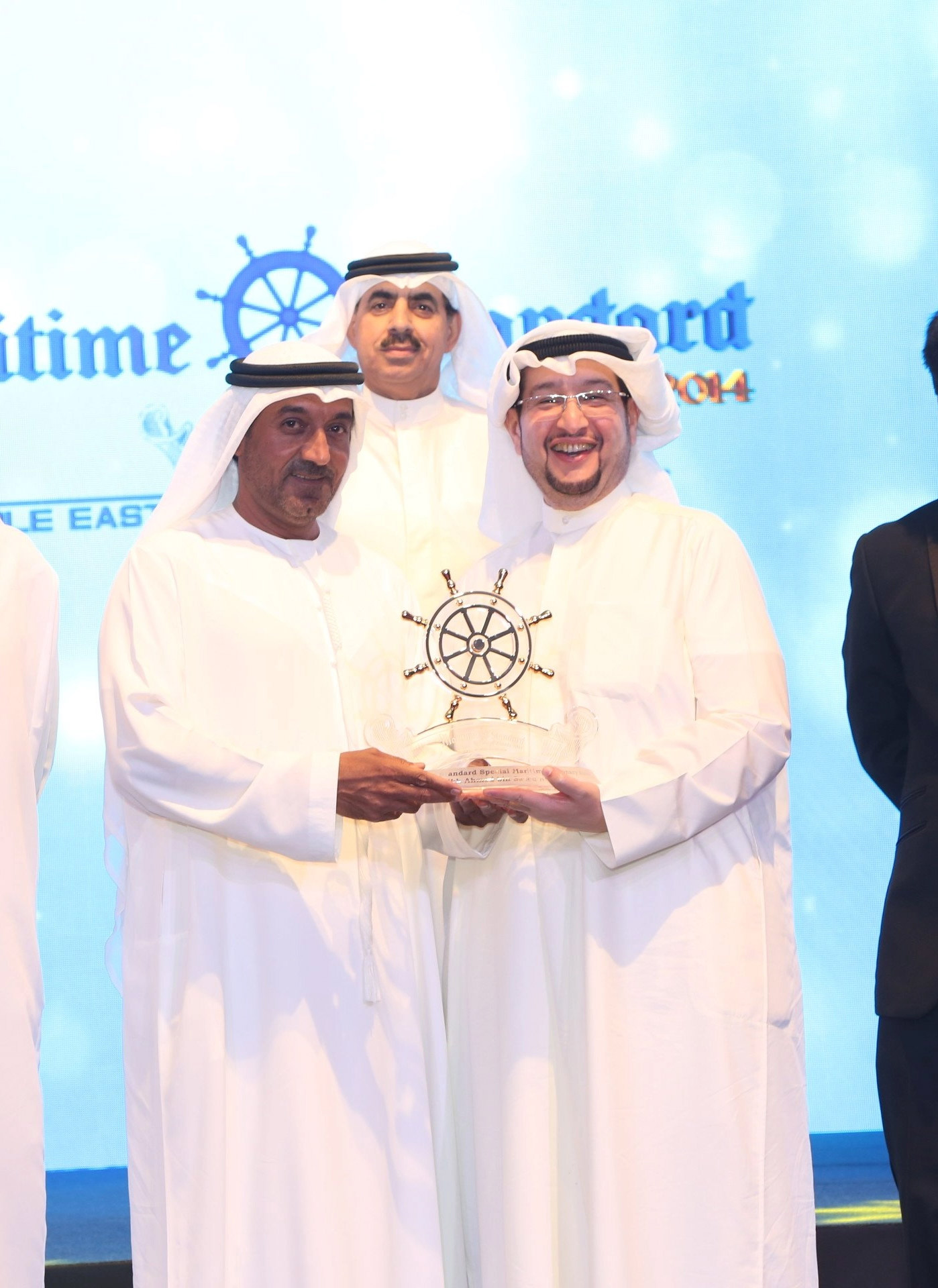
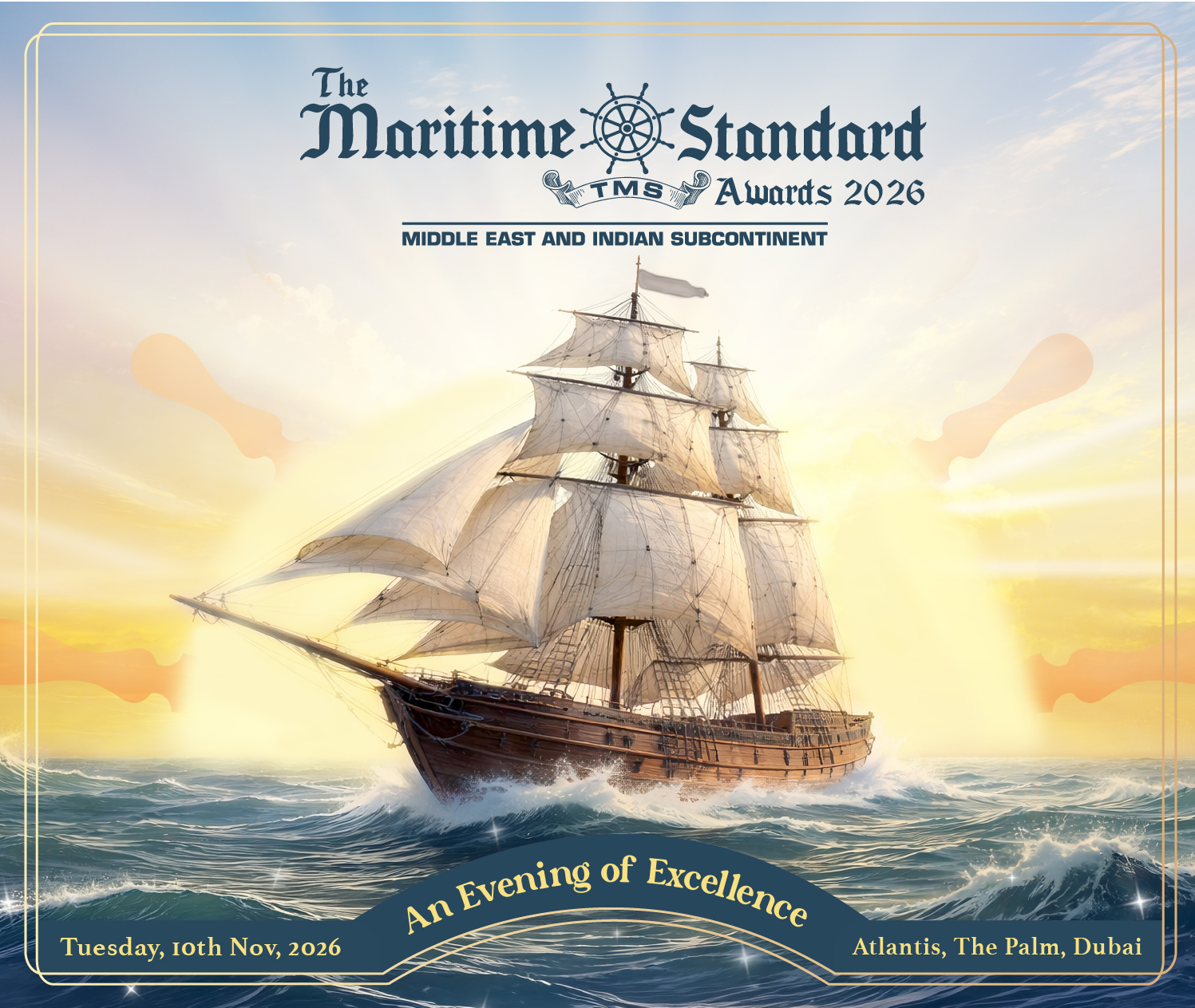
Within this evolving landscape, industry platforms play an important role in defining and reflecting standards of excellence. The TMS Awards, for example, have become a recognised benchmark within the maritime sector, bringing together a wide range of organisations and professionals from across shipping, ports, logistics, and maritime services.
Through an independent judging process and a comprehensive set of categories, such platforms provide a structured way to identify and celebrate outstanding achievement. More importantly, they reflect the changing priorities of the industry itself, including innovation, sustainability, leadership, and operational excellence.
Defining Maritime Excellence Going Forward
Maritime excellence in 2026 is multi-dimensional. It is shaped by the ability to balance commercial success with environmental responsibility, to embrace technological change while maintaining operational reliability, and to lead effectively in an increasingly complex global environment.
As the industry continues to evolve, the benchmarks for success will continue to rise. Organisations that can adapt to these expectations, while maintaining a clear focus on long-term impact, will define the future direction of global maritime trade.
Blog
-

Deal of the Year 2026: Recognising Strategic Transactions Shaping Maritime Business
28th September 2026 : Deal of the Year 2026: Recognising Strategic Transactions Shaping Maritime Business The maritim... Read more
-

Tanker Operator of the Year 2026: Navigating Performance, Efficiency and Resilience
21st September 2026 : Tanker Operator of the Year 2026: Navigating Performance, Efficiency and Resilience Tanker... Read more
-

Marine Insurer of the Year 2026: Managing Risk in a Changing Maritime Industry
14th September 2026 : Marine Insurer of the Year 2026: Managing Risk in a Changing Maritime Industry The maritime i... Read more
The Benchmark for Maritime Industry ExcellenceThe Premier Awards Event in Shipping & Maritime
Sponsors




















Supporting associations












Media Partners