



Blog Details
Tanker Operator of the Year 2026: Navigating Performance, Efficiency and Resilience
BackTanker Operator of the Year 2026: Navigating Performance, Efficiency and Resilience
Tanker shipping plays a critical role in the global energy supply chain, connecting producers, trading hubs, refineries, terminals and end markets across the world. The sector operates within a demanding environment where commercial performance must be balanced with safety, operational reliability, environmental responsibility and effective fleet management.
For tanker operators, maintaining consistent performance requires more than managing vessels efficiently. Companies must respond to changing market conditions, evolving regulations, customer expectations, technological developments and increasingly complex operational requirements.
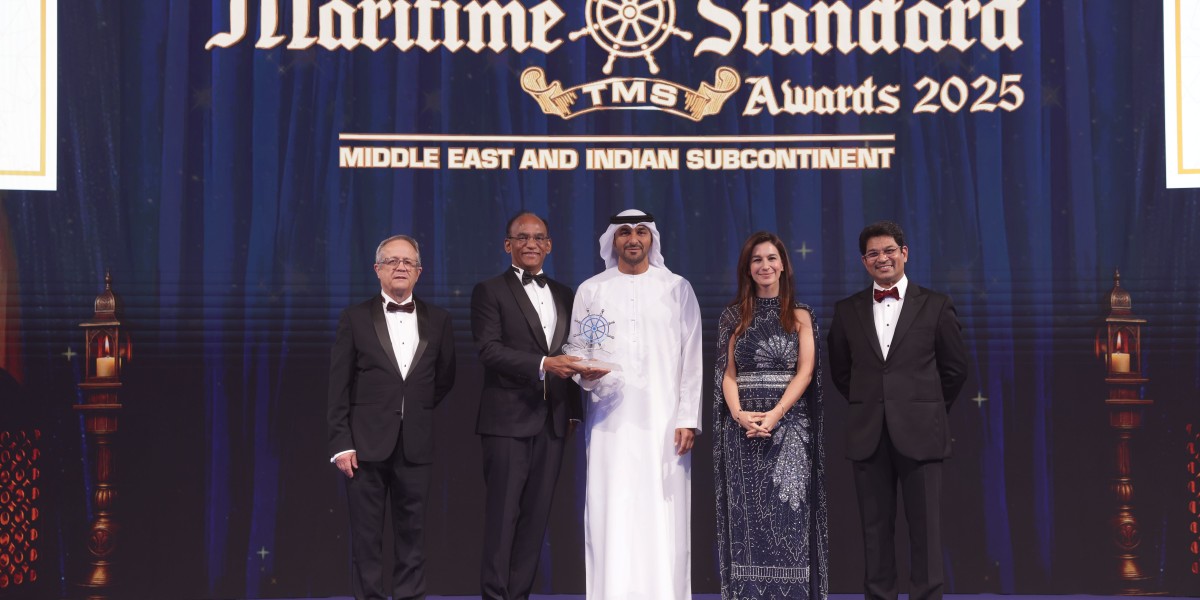
The Tanker Operator of the Year Award 2026 recognises companies demonstrating excellence in tanker operations, fleet performance, business development, safety, environmental responsibility and long-term industry leadership.
The Strategic Role of Tanker Operators
Tanker operators are central to the movement of crude oil, petroleum products, chemicals and other liquid cargoes around the world. Their operations connect different parts of the energy and industrial value chain, making reliability and operational continuity essential.
The performance of an operator can have implications beyond individual voyages. Effective fleet deployment, vessel availability, cargo planning and operational management can influence costs, customer service and the reliability of supply chains.
This places a strong emphasis on operational discipline and the ability to make informed decisions in changing market conditions.
Fleet Performance as a Measure of Excellence
A modern tanker fleet represents a significant investment. Maintaining the performance, reliability and commercial value of that fleet requires continuous attention to vessel condition, maintenance, crewing, technical management and operational planning. Leading tanker operators typically focus on areas such as:
• Vessel availability and reliability
• Efficient fleet deployment
• Preventive maintenance
• Technical performance
• Voyage planning and optimisation
• Crew competence and welfare
• Compliance with safety and environmental requirements
Strong fleet performance can help operators manage operating costs while maintaining dependable service for customers.
Adapting to Changing Tanker Markets
Tanker markets can change rapidly in response to shifts in energy demand, trade flows, fleet supply, commodity prices and geopolitical developments. Operators therefore need the ability to adjust commercial strategies as market conditions evolve. Fleet composition, chartering strategies, trading patterns and investment decisions can all influence long-term performance.
Market adaptability is particularly important in a sector where vessel values, freight rates and cargo patterns can fluctuate significantly. Successful operators need to balance short-term commercial opportunities with longer-term fleet and business strategies.
Safety at the Core of Tanker Operations
Safety remains fundamental to tanker shipping. The nature of tanker cargoes means that operators must maintain rigorous standards across vessel operations, cargo handling, crew training, maintenance and emergency preparedness. A strong safety culture extends beyond regulatory compliance.
It requires clear procedures, effective communication, competent crews and continuous attention to operational risks. Tanker operators must also ensure that safety standards remain consistent across their fleets and throughout different operating environments.
Investment in training and people is therefore an important part of maintaining safe and reliable operations.
Environmental Responsibility and the Energy Transition
Environmental performance has become an increasingly important consideration for tanker operators. International and regional regulations are creating new requirements for emissions management and vessel efficiency. At the same time, customers, investors and other stakeholders are placing greater emphasis on environmental performance.
Operators are therefore examining a range of measures to improve efficiency and reduce emissions. These can include vessel upgrades, energy-saving technologies, improved voyage planning, digital monitoring and the adoption of lower-emission fuels where technically and commercially appropriate. The transition also presents longer-term fleet investment questions.
Operators need to consider how future vessels will meet changing regulatory requirements while remaining commercially viable.
Technology and Operational Efficiency
Digital technologies are increasingly being used to improve tanker operations. Data from vessels can support monitoring of fuel consumption, machinery performance, maintenance requirements and voyage efficiency. Better access to operational information can help shore-based teams and crews make more informed decisions.
Technology can also contribute to predictive maintenance, fleet monitoring and operational planning. However, technology delivers value when it is integrated effectively into existing operational processes.
The combination of experienced personnel, reliable data and appropriate digital tools can help operators improve efficiency while maintaining safety and operational control. Investing in People Ships depend on skilled crews and experienced shore-based teams.
For tanker operators, investment in people is closely connected to operational performance. Training programmes, professional development, welfare initiatives and effective communication can support crew competence and retention. As vessels become more technologically advanced and regulatory requirements become more complex, seafarers need to maintain and develop a broader range of technical and operational skills.
A strong people strategy can therefore contribute to safety, efficiency and long-term organisational capability.
Building Resilience Across Operations
Tanker operators must prepare for disruption across multiple areas of their business. Changes in trade routes, port conditions, regulations, market demand and operational requirements can all affect vessel deployment and commercial planning.
Operational resilience depends on having robust processes, capable teams and the flexibility to respond when circumstances change. This can include maintaining contingency plans, strengthening supply chain relationships, investing in fleet capability and using technology to improve visibility across operations.
Resilience is increasingly becoming a strategic consideration rather than simply an operational requirement.
What Defines a Leading Tanker Operator?
Tanker operators demonstrate excellence in different ways, but several areas provide important indicators of strong performance.
Fleet performance: Efficient, reliable and commercially effective vessel operations. Safety: Consistent commitment to safe vessel operations, crew welfare and risk management.
Environmental responsibility: Practical action to improve efficiency and respond to evolving environmental requirements.
Commercial performance: The ability to manage market conditions and develop sustainable business opportunities.
Technology: Effective use of digital solutions and operational technologies to improve performance.
People: Investment in skilled crews, training, welfare and professional development.
Resilience: The ability to maintain operational continuity and respond effectively to changing conditions.
Taken together, these areas provide a broader picture of tanker operating excellence.
Why Industry Recognition Matters
Recognition can provide an important opportunity for tanker operators to demonstrate their achievements to customers, partners, employees and the wider maritime community.
The Tanker Operator of the Year Award 2026 recognises companies that demonstrate strong fleet performance, operational excellence, business development, safety, environmental responsibility and sustainable growth.
For an industry where performance depends on the coordination of vessels, people, technology and shore-based operations, recognition can highlight the organisations that consistently maintain high standards across their businesses.
Looking Ahead for Tanker Operators
The tanker industry is entering a period of continued change. Energy markets are evolving, environmental requirements are becoming more demanding and technology is creating new opportunities to improve operational performance. At the same time, tanker operators must continue to meet the fundamental requirements of safe, reliable and commercially effective transportation.
Companies that can balance these priorities while maintaining strong operational standards will play an important role in the future of global energy transportation.
The Tanker Operator of the Year Award 2026 provides an opportunity to recognise those organisations demonstrating excellence across this increasingly complex operating environment.
Recognising Excellence in Tanker Shipping The TMS Awards 2026 celebrates achievements across shipping, ports, logistics and the wider maritime industry.
The Tanker Operator of the Year Award recognises companies that demonstrate outstanding performance across fleet operations, safety, efficiency, business development and environmental responsibility.
As tanker shipping continues to adapt to changing markets and the energy transition, recognising operational excellence remains an important way of highlighting the companies helping shape the sector's future.
Blog
-

Marine Insurer of the Year 2026: Managing Risk in a Changing Maritime Industry
14th September 2026 : Marine Insurer of the Year 2026: Managing Risk in a Changing Maritime Industry The maritime i... Read more
-

Shipping Company of the Year 2026: Performance, Growth and Leadership in Modern Shipping
7th September 2026 : Shipping Company of the Year 2026: Performance, Growth and Leadership in Modern Shipping The... Read more
-

Terminal Operator of the Year 2026: Driving Efficiency, Growth and Innovation in Terminal Operations
31st August 2026 : Terminal Operator of the Year 2026: Driving Efficiency, Growth and Innovation in Terminal Operations... Read more
The Benchmark for Maritime Industry ExcellenceThe Premier Awards Event in Shipping & Maritime
Sponsors













Supporting associations






Media Partners